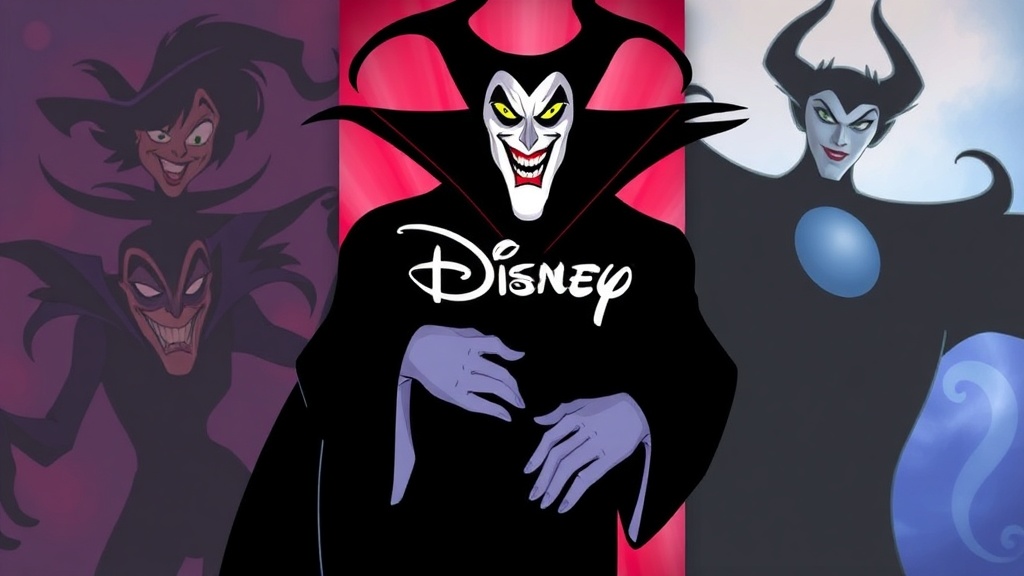
8 Iconic Disney Villains Who Defined Their Eras

Maleficent: The Mistress of All Evil
Ursula: The Sea Witch's Command
Scar: The Shakespearean Tragedy
Cruella de Vil: High Fashion and Chaos
Jafar: The Grand Vizier's Ambition
The Evil Queen: The Original Shadow
Captain Hook: The Eternal Rivalry
Lady Tremaine: The Subtle Antagonist
Imagine standing in the middle of a dark, foggy forest while a high-pitched, cackling laugh echoes through the trees—that's the unmistakable presence of a Disney villain. These characters aren't just obstacles for the heroes; they are the psychological engines that drive the most memorable stories in animation history. This list breaks down eight iconic villains who didn't just play a part, but actually defined the cinematic era they lived in through their design, motivation, and cultural impact.
Why are Disney villains so much more memorable than the heroes?
Disney villains are often more memorable because they possess clear, uninhibited desires and complex psychological archetypes that resonate with human shadows. While heroes are often bound by morality and a need for growth, villains represent the extremes of human nature—greed, envy, and even the desire for control. They provide the friction necessary for a story to move forward.
Think about the difference between a hero's struggle and a villain's obsession. A hero fights to protect something; a villain fights to possess something. That distinction is what makes characters like Maleficent or Ursula feel so much more visceral. They aren't just "bad guys"—they are personifications of specific, often terrifying, human traits.
A great example of this is found in the Disney Renaissance era, where the stakes shifted from simple fairy tale tropes to high-stakes psychological drama. The villains in this era weren't just magical-looking; they had massive personalities that often stole the show from the protagonists.
1. Maleficent: The Era of High Fantasy
Maleficent defined the "Dark Fairy Tale" era of the 1950s. She isn't just a woman with a grudge; she is a force of nature. Her power is absolute, and her presence is felt through atmosphere rather than just dialogue. She represents the classic, untouchable-yet-vulnerable archetype of the high-fantasy antagonist.
She sets the standard for "theatrical villainy." There is a certain elegance to her malice that makes her more than a cartoon monster. She is a fallen icon, which adds a layer of tragic complexity to her character that many later villains lacked.
2. Ursula: The Era of the Diva
If Maleficent is the cold, distant queen, Ursula is the flamboyant, high-energy powerhouse of the 90s. She brought a sense of theatricality and "camp" to the Disney lineup. She isn't just a sea witch; she is a business-savvy, charismatic negotiator who uses contracts to strip others of their power.
Ursula's influence is seen in how Disney transitioned from purely magical threats to more "humanized" or personality-driven antagonists. She’s a performer. Every movement is calculated to show off her dominance and her wit. It's a masterclass in character-driven conflict.
3. Scar: The Era of Shakespearean Tragedy
Scar changed the game by introducing a villain who wasn't just "evil" for the sake of being evil—he was driven by a very human, very bitter resentment. He represents the psychological depth of the 90s era, where the villain's motivation is rooted in a perceived injustice (even if it's entirely self-serving).
His jealousy isn't just a trait; it's a catalyst for a political coup. This moved Disney storytelling away from "good vs. evil" and into the realm of "the rightful king vs. the usurper." It's much more nuanced than a simple battle of magic.
| Villain | Primary Archetype | Era/Style | Core Motivation |
|---|---|---|---|
| Maleficent | The Dark Fairy | Classical High Fantasy | Spurned dignity/Power |
| Ursula | The Diva/Negotiator | 90s Renaissance | Control through contracts |
| Scar | The Usurper | Shakespearean Drama | Resentment/Status |
| Jafar | The Vizier | Orientalist Fantasy | Absolute authority |
4. Jafar: The Era of the Manipulator
Jafar is the ultimate personification of the "power behind the throne." He represents the era of the cunning advisor, a figure who uses intellect and manipulation rather than brute force. His threat level is high because he doesn't just want to destroy the kingdom—he wants to rule it.
He is a master of the slow burn. Watching him manipulate the Sultan and Aladdin is almost as interesting as the action scenes themselves. He is the embodiment of the "snake in the grass" trope, executed with terrifying precision.
5. Hades: The Era of Modern Wit
Hades brought a completely different energy to the table. He is fast-talking, sarcastic, and incredibly relatable in his frustration. He represents the shift toward villains who feel like modern, high-functioning professionals—even if that profession is ruling the Underworld.
He isn't a brooding dark lord. He's a guy with a job to do, and he's annoyed that his subordinates are incompetent. This relatability makes him one of the most popular characters in the Disney pantheon. He’s the kind of villain you almost want to grab a coffee with (after you've finished your business in the afterlife, of course).
6. Cruella de Vil: The Era of Obsession
Cruella is a masterclass in a very specific kind of villainy: the obsession with aesthetic and status. She isn't a magical threat; she is a social and psychological one. Her "evil" is rooted in a lack of empathy for living things in favor of a certain "look."
She represents the fear of the modern, urban, and superficial. She is the antithesis of the natural world. Her presence in the film serves as a stark reminder that sometimes the most terrifying things aren't monsters, but people with unchecked, selfish desires.
7. Gaston: The Era of Toxic Masculinity
Gaston is a fascinating outlier because he isn't "magical" at all. He is the "hero" of his own story, which makes him incredibly dangerous. He represents the era of the grounded antagonist—someone whose evil is fueled by ego and the social standing he enjoys in his village.
He is the perfect example of how a villain can be "normal" and yet completely devastating. His threat comes from his ability to turn an entire community against a protagonist. He is a social predator, and that is much more frightening than a dragon or a sea witch.
8. Mother Gothel: The Era of Psychological Manipulation
Mother Gothel represents the more modern, psychological era of Disney villains. She doesn't use a magic wand or a dark army; she uses gaslighting. Her villainy is intimate, domestic, and deeply unsettling because it mimics real-world toxic behaviors.
She is a master of emotional manipulation, using "love" as a weapon to keep Rapunzel trapped. This makes her one of the most effective villains in the Disney catalog because her cruelty is subtle and deeply personal. She is the embodiment of the "smothering" parent taken to a lethal extreme.
If you want to understand how these characters' themes are woven into the very music that drives their scenes, check out A Deep Dive into the Soundscapes of Disney Legends. The music is often what cements their "era" in your mind.
The way these villains are constructed is a testament to the depth of Disney's writing. They aren't just there to be defeated. They are there to be felt. They define the era because they represent the specific fears and social complexities of the times they were created.