Curating Your Own Disney Parks Themed Playlists for Every Mood

The Science of Soundscapes: Why Your Disney Soundtrack Matters
Did you know that the average person listens to approximately 15,000 songs per year, but the psychological impact of "thematic consistency" can actually alter your perception of time and mood? In the context of a Disney vacation, music is not just background noise; it is a highly engineered tool used by Imagineers to direct guest flow, signal transitions between lands, and evoke specific emotional responses. When you curate your own Disney-themed playlists, you aren't just making a collection of songs—you are building a portable atmosphere that can mitigate mid-day fatigue or amplify the magic of a fireworks spectacular.
Most travelers rely on whatever the Spotify "Disney Hits" algorithm throws at them, but a generic mix lacks the intentionality required to match the specific energy levels of a park day. A high-tempo track from Moana might be perfect for a brisk morning walk through Adventureland, but it will feel jarring and exhausting if played during a relaxing sunset lounge session at Disney'olelu. To optimize your auditory experience, you must categorize your music by "Vibe States" and "Park Phases."
Phase 1: The Morning Momentum (High Energy & Anticipation)
The first two hours of a Disney park day are critical. You are navigating crowds, checking mobile orders on the My Disney Experience app, and riding high on the adrenaline of the rope drop. Your music should reflect this upward trajectory. Focus on tracks that are upbeat, rhythmic, and possess a high BPM (Beats Per Minute) to keep your energy from dipping during long standby lines.
The Selection Criteria: Look for songs with brass instruments, driving percussion, and celebratory themes. Think of the triumphant orchestral swells found in Hercules or the rhythmic energy of Encanto.
- The "Rope Drop" Anthem: Start with something iconic and high-energy like "Go the Distance" from Hercules or "We Don't Talk About Bruno" from Encanto. These tracks demand engagement and set a proactive tone.
- The Adventure Build: As you move into areas like Frontierland or Adventureland, transition to tracks with more organic, percussive elements. "The Bare Necessities" from The Jungle Book or "I've Got a Dream" from Tangled provide a sense of movement and whimsy.
- The Instrumental Engine: If you find lyrics distracting while navigating heavy crowds, switch to high-tempo instrumental scores. The percussion-heavy tracks from Moana or the sweeping orchestral arrangements from Raya and the Last Dragon keep your pace quick without the cognitive load of lyrics.
Phase 2: The Mid-Day Reset (Low Stimulation & Sensory Management)
Between 1:00 PM and 4:00 PM, the "Disney Fatigue" sets in. The heat rises, the crowds peak, and the sensory input from bright colors and loud noises can become overwhelming. This is the most important playlist to have ready. Instead of fighting the fatigue with more high-energy pop, use music to create a "sensory bubble" that allows you to decompress while waiting in a shaded queue or sitting at a quick-service restaurant like Pecos Bill.
The Selection Criteria: Prioritize acoustic instruments, slower tempos, and "soft" vocals. Avoid heavy synthesizers or aggressive percussion. You want music that acts as a buffer against the chaos of the park.
- The Acoustic Oasis: Incorporate songs that rely on piano or soft guitar. Tracks like "Baby Mine" from Dumbo or the softer melodies from Lilo & Stitch (specifically the Elvis Presley tracks) provide a calming, nostalgic backdrop.
- The Instrumental Lull: If you are dealing with a particularly long standby line for a ride like Pirates of the Caribbean, switch to the softer, ambient scores. The piano-heavy themes from Beauty and the Beast or the gentle woodwinds from Bambi can lower your heart rate and make the wait feel shorter.
- The Nostalgia Anchor: Use "comfort" music. This involves the slower, more sentimental tracks from your childhood—think Cinderella or Sleeping Beauty. These songs evoke a sense of safety and calm, which is essential when the park environment feels high-stress.
If you find yourself needing a deeper mental escape during these low-energy hours, you might find inspiration in the storytelling techniques used in film. For a deeper look at how music and visual cues work together, you can explore how to spot hidden Disney Easter eggs in your favorite movies, which can help you appreciate the layers of detail in the music you're hearing.
Phase 3: The Evening Glow (Atmospheric & Cinematic)
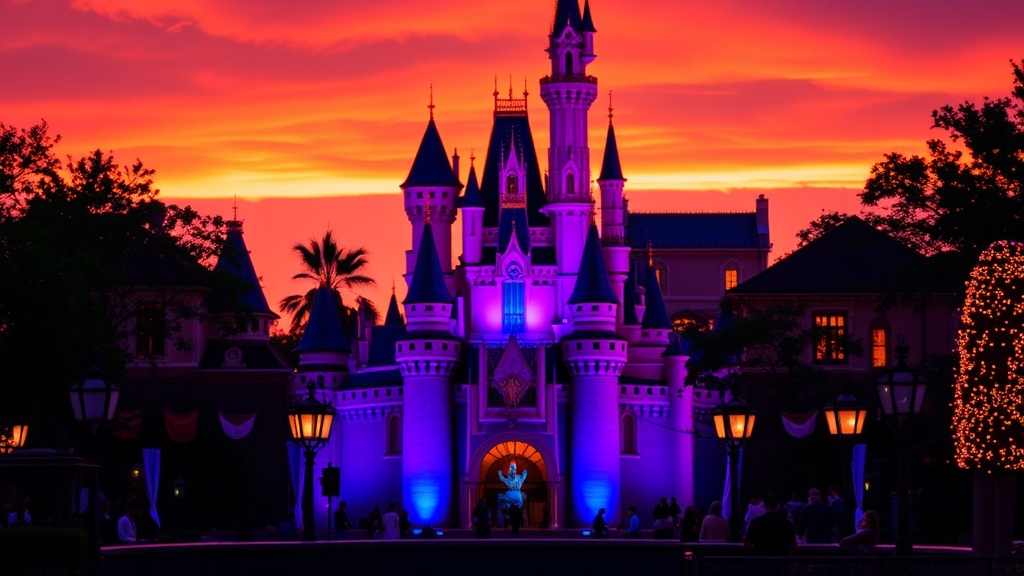
As the sun sets and the park transitions into its nighttime aesthetic—complete with neon lights in Tomorrowland and glowing lanterns in EPCOT—your music should shift toward the "Cinematic." This is the time for grandeur, sweeping orchestrations, and the feeling of "The Big Finale." This playlist is designed to complement the visual spectacle of nighttime shows like Happily Ever After or Luminous.
The Selection Criteria: Look for "Epic" scores. This means heavy use of strings, crescendos, and dramatic shifts in volume. You want music that feels "big" to match the scale of the nighttime fireworks.
- The Grand Orchestral: Include the heavy hitters. The main themes from Star Wars (if you are in Galaxy's Edge), The Lion King, or Aladdin are essential. These tracks are designed to feel monumental.
- The Dreamy Nocturne: For a more relaxed evening walk through the World Showcase, opt for the "Dream" tracks. "A Dream Is a Wish Your Heart Makes" or "When You Wish Upon a Star" provide a magical, ethereal quality that matches the twinkling lights of the park.
- The Modern Epic: Don't overlook modern scores that have high dramatic weight. The sweeping, emotional scores from Frozen or Moana are perfect for the transition from evening dining to the final rides of the night.
Technical Implementation: How to Build the Ultimate Disney Library
To ensure your playlists are actually functional during a busy park day, follow these three technical optimization steps. A poorly organized playlist is a wasted resource.
1. The "Seamless Transition" Rule
When building your playlists, ensure the end of one song doesn't clash violently with the beginning of the next. If you are moving from a high-energy "Morning" playlist to a "Mid-Day" playlist, use a "Bridge" folder. This bridge should contain mid-tempo tracks (like The Little Mermaid's upbeat but not frantic songs) to help your brain adjust to the lower energy level without a jarring shock.
2. Download for Offline Use
This is a non-negotiable step. Disney Parks are notorious for "dead zones" where cellular data becomes unreliable due to the sheer volume of users. If you rely on streaming, your music will cut out exactly when you need it most—likely in the middle of a long queue. Always download your curated playlists to your device's local storage via Spotify, Apple Music, or YouTube Music before you leave your hotel.
3. Use "Crossfade" Settings
If your streaming service allows it (Spotify Premium and Apple Music both do), set your crossfade to approximately 5–10 seconds. This creates a continuous stream of sound, preventing the "dead air" between tracks. This is particularly effective for your "Evening Glow" playlist, as it maintains the cinematic immersion and prevents the "vibe" from breaking during transitions.
"The right soundtrack doesn't just accompany an experience; it defines the boundaries of the world you are currently inhabiting."
By treating your Disney audio as a strategic tool rather than an afterthought, you can control your emotional state and energy levels throughout the day. Whether you are conquering the crowds at Magic Kingdom or finding peace in a quiet corner of EPCOT, a well-curated playlist is your most effective piece of "invisible" gear.
Steps
- 1
Identify Your Mood Archetype
- 2
Select Your Core Soundtracks
- 3
Sequence for Emotional Flow
- 4
Add Instrumental Variations