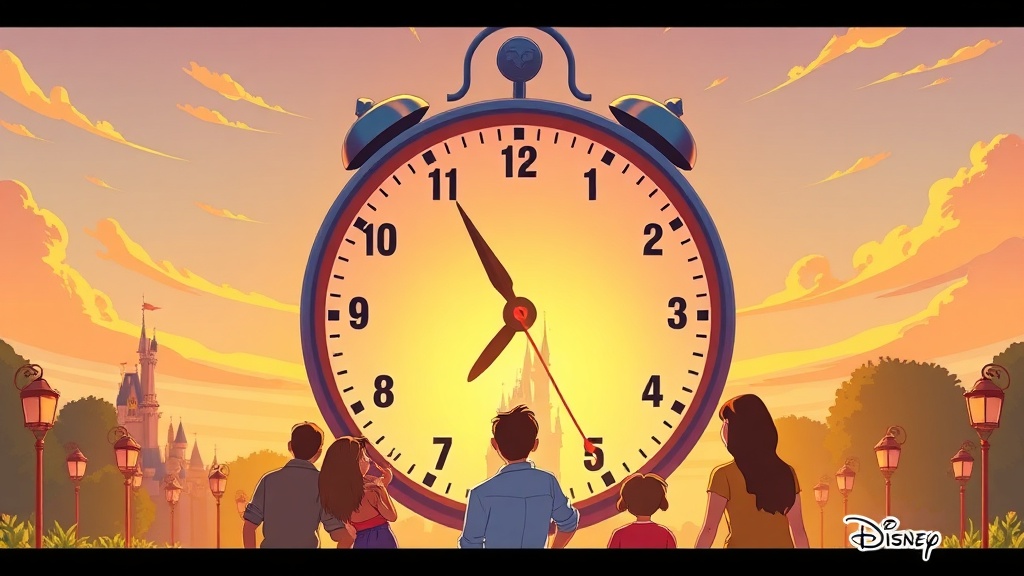
Daylight Saving Time: Adjust Your Sleep Routine for Health

Did you know the spring‑forward clock change can shave up to an hour of sleep and spike your stress levels? I’ve felt the groggy panic myself, watching the sunrise over Disney’s Magic Kingdom and realizing my body’s internal clock is still stuck in standard time. If you’re ready to beat the sleep dip and stay sharp for those early park mornings, keep reading.
Why does Daylight Saving Time mess with my sleep?
When we lose an hour, our circadian rhythm—a 24‑hour internal clock that governs hormone release, body temperature, and alertness—gets jolted. Studies show a spike in sleepiness, heart attacks, and even traffic accidents in the days after the shift (systematic review, 2025). The good news? You can soften the blow with a few data‑driven tweaks.
How many days should I start shifting my bedtime?
Most experts recommend a gradual approach: move your bedtime and wake‑time earlier by 15 minutes per night for four to six nights before the March 8 change. This gives your melatonin surge time to catch up without forcing a sudden hour jump.
What concrete steps can I take each night?
- Set a wind‑down alarm. I treat it like a Genie+ reservation—reserve a 30‑minute “sleep slot” 90 minutes before lights‑out. Dim the lights, turn off screens, and cue your brain that it’s time to wind down.
- Adjust lighting. Bright, blue‑rich light in the evening delays melatonin. Use warm bulbs or a Oura‑based light‑exposure study (2025) that shows a 30‑minute reduction in evening blue light improves sleep latency by 12%.
- Mind your caffeine. Shift your last coffee to 2 p.m. on the days leading up to DST. I’ve logged my caffeine intake in a simple spreadsheet—your data can be even more powerful.
- Stay active. A short walk or light stretch after dinner helps reset your body clock. I track steps with a smartwatch and aim for 5,000‑7,000 steps before bed.
- Hydrate wisely. Too much liquid close to bedtime triggers bathroom trips that fragment sleep. Sip water earlier in the evening and keep a glass handy for the night.
Can I use a “sleep‑audit” like I do for park itineraries?
Absolutely. I treat my sleep schedule as a mini‑itinerary: the math of when I go to bed, wake up, and how much “buffer” I need for unexpected delays (like a late‑night fireworks show). Write a quick table—Bedtime | Wake‑time | Shift (minutes)—and update it each night. This mirrors the data‑driven approach I use for Genie+ planning, only the stakes are your health.
What if I’m still feeling groggy after the transition?
Give yourself a 24‑hour recovery window. Short naps (20‑30 minutes) can boost alertness without entering deep sleep, which would otherwise make you feel more sluggish. Avoid caffeine after 12 p.m. on the day of the shift, and prioritize a consistent wake‑time—even if you’re tempted to sleep in.
How does this fit into a Disney‑focused lifestyle?
When the parks open early for sunrise parades, a well‑tuned sleep schedule means you’re not scrambling for coffee at 6 a.m. Instead, you’re already alert, ready to snag the best viewing spot, and still have energy for the afternoon fireworks. Think of it as the ultimate “mid‑tier luxury” hack: you get the premium park experience without the premium fatigue.
Takeaway: Your 5‑Day DST Sleep Reset
- Four days before March 8, set your bedtime 15 minutes earlier.
- Repeat the 15‑minute shift each night until you’re 60 minutes ahead.
- Use a wind‑down alarm, dim lights, and limit caffeine after 2 p.m.
- Track your sleep data (apps like Sleep Cycle or Oura) and adjust if you’re still waking up groggy.
- On DST day, keep your new schedule—no “catch‑up” sleep. If you’re tired, take a short 20‑minute nap.
Follow these steps, and you’ll glide through the time change with the same confidence you use to snag a Lightning Lane at Disney World.
Related Reading
- Spring Cleaning Your Digital Life: A Practical Declutter Guide — the same data‑driven mindset applied to your digital clutter.
- Genie+ Mastery in March 2026 — how I schedule park rides, now applied to sleep scheduling.
- The 4‑Text System I Use to Keep Adult Disney Trips From Imploding — communication hacks that also work for coordinating bedtime routines with family.
- Flower & Garden After Dark: Why 9 PM Is When Locals Actually Go — a look at local sleep habits that can inspire your own schedule.