Easter Brunch Planning: Healthy, Spring‑Inspired Recipes for a Festive Gathering

What’s the perfect way to kick off Easter weekend without the guilt?
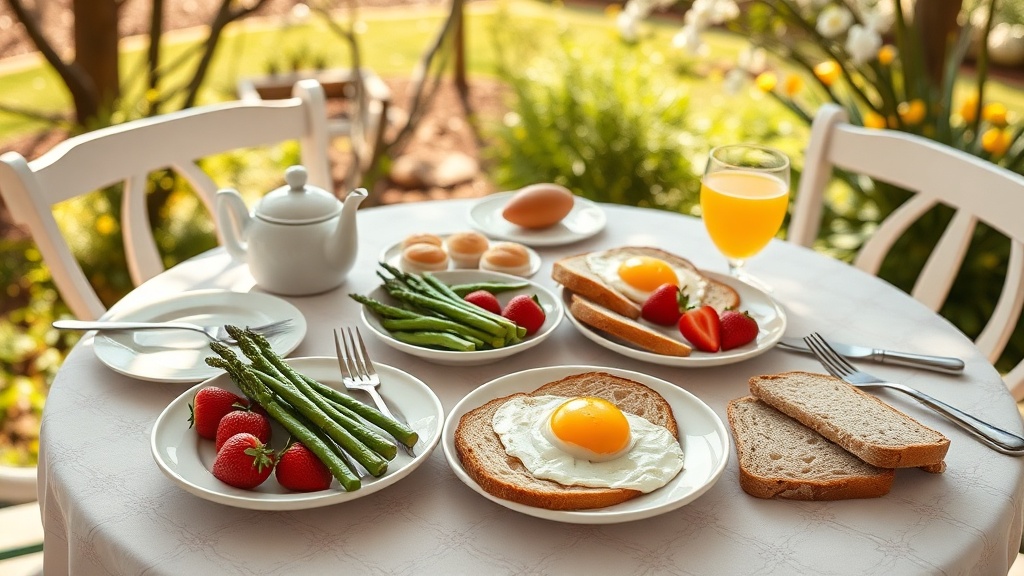
Imagine gathering around a sun‑kissed table, pastel plates sparkling with fresh strawberries, asparagus spears, and poached eggs—while keeping your macros in check. That’s the kind of Easter brunch I aim for: festive, flavorful, and backed by data. In this post I’ll walk you through a menu that leans on local spring produce, balances protein, carbs, and fats, and even syncs with your circadian rhythm for steady energy.
Why does a spring‑focused, circadian‑friendly brunch matter?
Spring is the body’s natural reset button. Longer daylight, cooler mornings, and a bounty of fresh vegetables all signal to our internal clocks that it’s time to shift from winter’s heavy meals to lighter, nutrient‑dense fare. Bio‑Harmony researchers are now showing that eating meals aligned with daylight hours can improve metabolic health and keep blood sugar stable (see National Institutes of Health, 2024). For a holiday like Easter, where indulgence often spikes, a timing‑aware menu helps you enjoy treats without the afternoon crash.
What ingredients should I prioritize for a spring‑centric Easter brunch?
Here’s my go‑to shopping list, sourced from Central Florida farmers markets and grocery aisles:
- Fresh asparagus — low‑calorie, high in folate and antioxidants.
- Baby carrots & radishes — crunchy, vitamin‑rich, perfect for a raw side.
- Strawberries & blueberries — natural sweetness, loaded with vitamin C.
- Free‑range eggs — high‑quality protein, essential for satiety.
- Whole‑grain sourdough or Ezekiel bread — complex carbs that release energy slowly.
- Greek yogurt — probiotic boost, works great in parfaits.
- Avocado — healthy monounsaturated fats for brain fuel.
- Fresh herbs (mint, chives, dill) — bright flavor without extra sodium.
- Orange juice (fresh‑squeezed) — vitamin‑C punch, best enjoyed within the first two hours of waking to support circadian rhythm (Chronobiology International, 2023).
How do I structure the menu for maximum nutrition and timing?
Think of the brunch as three phases: early‑light fuel, mid‑day sustainers, and post‑meal wind‑down. Each phase aligns with the body’s natural cortisol peak (around 7‑9 AM) and the dip that follows (mid‑morning).
Phase 1 — Early‑Light Fuel (7 AM‑9 AM)
Spring Citrus Yogurt Parfait: Layer Greek yogurt, sliced strawberries, blueberries, a drizzle of honey, and a sprinkle of toasted quinoa. The protein and probiotics kick‑start digestion, while the fruit provides quick carbs for that cortisol surge.
Phase 2 — Mid‑Day Sustainers (9 AM‑11 AM)
Asparagus & Avocado Toast: Toast thick slices of whole‑grain sourdough, spread ripe avocado, top with blanched asparagus, a sprinkle of sea salt, and a poached egg. This combo hits all three macros and keeps blood sugar flat.
Herb‑Infused Spring Salad: Toss baby carrots, radishes, mixed greens, fresh mint, and a lemon‑olive‑oil vinaigrette. Light, refreshing, and packed with fiber.
Phase 3 — Post‑Meal Wind‑Down (11 AM‑1 PM)
Mini Lemon‑Glazed Carrot Muffins: Use almond flour, grated carrots, a hint of lemon zest, and a touch of maple syrup. One‑bite sweet treats that won’t spike insulin.
Finish with a glass of fresh orange juice or a warm herbal tea (peppermint or chamomile) to signal the body that it’s time to settle into the afternoon.
What are the “Math”‑backed cost considerations?
One of my core pillars is the “Worth It” audit — the math behind every purchase. Here’s a quick breakdown for a brunch serving six:
| Item | Cost (USD) | Cost per Serving |
|---|---|---|
| Asparagus (1 lb) | 3.50 | 0.58 |
| Eggs (12) | 2.40 | 0.40 |
| Whole‑grain sourdough (1 loaf) | 4.00 | 0.67 |
| Greek yogurt (32 oz) | 5.20 | 0.87 |
| Strawberries (1 lb) | 3.00 | 0.50 |
| Orange juice (fresh, 2 L) | 4.50 | 0.75 |
| Total | 23.00 | ~$3.80 per person |
At under $4 per head you’re getting premium protein, fiber, and micronutrients — a clear win over a typical $12‑$15 restaurant brunch.
How can I prep ahead to keep the day stress‑free?
Time is money, especially when you’re juggling Easter egg hunts and park plans. Here’s my prep timeline:
- Day before: Wash and trim asparagus, store in a sealed bag with a damp paper towel.
- Morning of: Boil water for poached eggs, toast bread, and assemble parfaits.
- 30 minutes before guests arrive: Finish avocado mash, re‑heat asparagus, and plate salads.
- Just before serving: Drizzle lemon‑olive oil on salad, add final sprinkle of herbs, and pour juice.
Doing the heavy lifting early means you can actually enjoy the conversation and the Easter egg hunt.
What are the best resources for spring produce and circadian meal timing?
Check out these posts I’ve already written:
- Spring Kitchen Clean‑Up: Zero‑Waste Pantry Overhaul — tips on sourcing locally and reducing waste.
- Circadian Rhythm Meal Timing for Better Metabolic Health — the science behind eating with daylight.
- Bio‑Harmony Skincare: Sync Your Routine with Your Circadian Clock — how the same principles apply to skin care.
What’s the final takeaway?
Plan an Easter brunch that feels festive, stays healthy, and respects your body’s natural clock. Use fresh spring produce, balance macros, and apply the “Worth It” math to keep costs low. Prep ahead, enjoy the moment, and let the holiday shine without the post‑brunch slump.