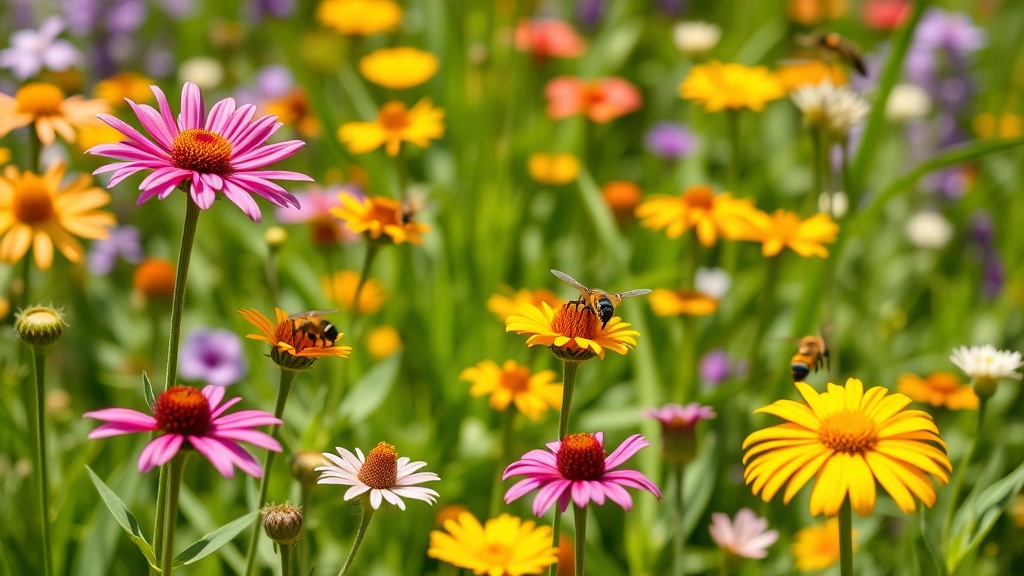
Spring Garden Prep: Native Planting for Pollinator Support

Spring Garden Prep: Native Planting for Pollinator Support
Hook:
Ever wondered why your garden looks beautiful but feels… empty? Imagine a burst of humming bees, fluttering butterflies, and the sweet scent of native blooms filling your backyard. That’s the power of a pollinator‑friendly garden.
Context:
Spring is the perfect time to start garden preparations as the soil warms and planting season begins. With a 30% surge in pollinator‑friendly garden initiatives nationwide this March, according to the USDA, now is the moment to turn your yard into a buzzing haven.
Which native plants attract the most pollinators?
Choosing the right species is the cornerstone of a thriving pollinator garden. Native plants have co‑evolved with local insects, offering the right nectar, pollen, and timing.
- Milkweed (Asclepias spp.) – Essential for monarch butterflies.
- Coneflower (Echinacea purpurea) – Draws bees, butterflies, and hoverflies.
- Black-eyed Susan (Rudbeckia hirta) – Long bloom period, great for bumblebees.
- Bee Balm (Monarda didyma) – Aromatic, attracts a variety of bees.
- Goldenrod (Solidago spp.) – Late‑season nectar for migrating pollinators.
Pro tip: Plant in clusters of at least three individuals per species. This creates a visual target that insects can easily locate.
How do I design a low‑maintenance pollinator garden?
A well‑planned layout reduces watering, weeding, and re‑planting.
- Group plants by bloom time – Stagger species so something is always in flower from early spring to late fall.
- Use native soil amendments – Incorporate local compost rather than exotic fertilizers; native microbes love familiar soils.
- Add water sources – A shallow dish with stones provides a drinking spot for bees without drowning them.
- Create shelter – Leave a few dead stems or install a bee house to give nesting sites.
- Mulch wisely – Organic mulch conserves moisture and suppresses weeds while breaking down into soil‑friendly nutrients.
When is the best time to plant native species?
- Early spring (late March‑early April): Ideal for cool‑season perennials like Virginia bluebells.
- Mid‑spring (mid‑April‑May): Perfect for warm‑season plants such as Butterfly weed.
- Fall planting: Some natives, like Purple coneflower, establish roots before winter, yielding a robust spring display.
Remember: Plant after the last frost date for your USDA hardiness zone. For Central Florida (zone 9b), you can start as early as late February.
How can I measure the impact on local bee and butterfly populations?
Tracking results turns a hobby into data‑driven stewardship.
- Pollinator counts: Spend 10‑minutes weekly observing flower visits. Record species and frequency.
- Citizen science apps: Use iNaturalist or BeeCount to log sightings; data contributes to national surveys.
- Photography: Snap time‑lapse photos of bloom progression and pollinator activity for visual proof.
- Soil health tests: A rise in beneficial insects often correlates with improved soil microbial activity.
What are common mistakes to avoid?
| Mistake | Why it hurts | Fix |
|---|---|---|
| Planting non‑native invasives | They outcompete native flora and provide poor nutrition for local pollinators | Stick to a vetted native plant list (see USDA PLANTS database) |
| Over‑watering | Dilutes nectar concentration, discouraging bees | Water early morning; let soil dry between sessions |
| Ignoring bloom gaps | Pollinators need continuous food sources | Choose a mix that covers early, mid, and late‑season |
| Heavy pesticide use | Kills both pests and pollinators | Opt for integrated pest management; use neem oil sparingly |
Takeaway
By selecting region‑appropriate native plants, arranging them for continuous bloom, and monitoring your garden’s pollinator traffic, you’ll create a low‑maintenance oasis that supports biodiversity and adds vibrant life to your yard. Start this spring, watch the buzz grow, and enjoy a garden that’s as productive as it is beautiful.
Related Reading
- Spring Refresh: 7 Eco‑Friendly Cleaning Hacks to Revitalize Your Home – Keep your home as green as your garden.
- Spring Kitchen Clean‑Up: Zero‑Waste Tips for a Greener Pantry – Extend eco‑friendly habits indoors.
- Spring Brain Boost: 6 Habits for Cognitive Fitness – Pair mental clarity with garden therapy.
External Resources
- USDA Pollinator Health Report 2026 – https://www.usda.gov/pollinator-health-report-2026
- Xerces Society: Native Plant Guide – https://xerces.org/native-plants
- EPA Pollinator Habitat Toolkit – https://www.epa.gov/pollinator-habitat-toolkit
Published by Sloane Vance