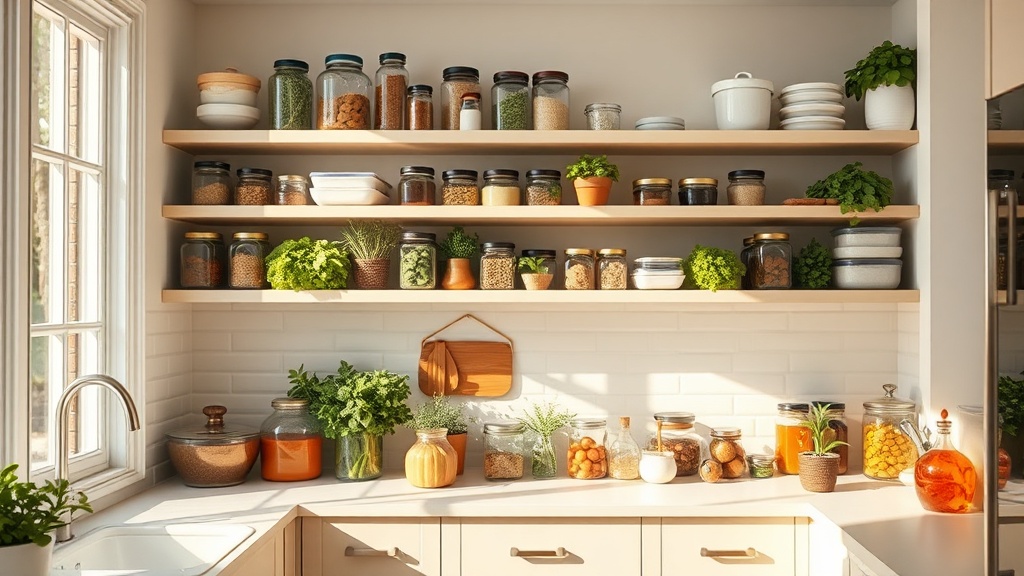
Spring Kitchen Clean‑Up: Zero‑Waste Pantry Overhaul for a Greener Home

Spring Kitchen Clean‑Up: Zero‑Waste Pantry Overhaul for a Greener Home
Hook: Ever opened your pantry and felt like you were staring at a landfill in miniature? Spring is the perfect moment to flip the script and turn those jars and bags into a tidy, trash‑free hub.
Context: I’m Sloane, a former project manager who swapped corporate spreadsheets for Disney‑level efficiency at home. The same data‑driven mindset that saves me time in the parks works wonders in the kitchen, especially when you treat a pantry overhaul like a spring cleaning sprint.
What Are the Biggest Waste Sources in a Typical Pantry?
Before you can fix a problem, you need to know what you’re up against. Here are the three culprits that generate the most trash:
- Single‑use plastic bags: Those freezer‑gate bags that hide behind the cereal boxes.
- Non‑reusable containers: Cardboard boxes, Styrofoam trays, and clamshells that never get a second life.
- Expired or forgotten items: Food that rots in the back, turning your pantry into a waste factory.
How Can I Prepare for a Zero‑Waste Pantry Overhaul?
Preparation is the secret sauce. This quick checklist gets you ready in under 30 minutes:
- Empty everything. Pull out every item, label the shelves, and give yourself a clear view of the chaos.
- Sort by category. Group grains, canned goods, snacks, and spices. See my previous pantry‑zero‑waste guide for a deeper dive.
- Check dates. Toss anything past its “best‑by” date or that smells off. This is your first waste‑reduction win.
- Gather reusable storage. Glass jars, silicone bags, and BPA‑free containers are your new pantry heroes.
- Make a “trash budget.” Decide how many single‑use items you’ll allow yourself this month. Treat it like a KPI.
Which Reusable Solutions Work Best for Different Food Types?
Not all foods store the same way. Here’s a quick guide:
- Dry goods (rice, beans, pasta): Transfer to clear glass jars with airtight lids. Label with a chalkboard tag for quick identification.
- Snacks (nuts, crackers): Use silicone zip‑top bags that collapse flat, saving space and reducing plastic.
- Fresh produce: Store berries in a breathable container with a paper towel to absorb moisture. Keep herbs in a glass jar with a water‑filled base.
- Frozen items: Re‑use freezer‑grade silicone bags or glass containers designed for sub‑zero temperatures.
What Practical Zero‑Waste Hacks Can I Apply Right Now?
- Batch‑cook and portion. Cook a large pot of beans, then portion into reusable containers for the week. No more single‑serve cans.
- DIY spice blends. Combine bulk spices in a single glass jar. You’ll cut down on multiple small packets.
- Use compostable wraps. Beeswax wraps replace plastic cling film for cheese, fruit, and leftovers.
- Ask for bulk at the store. Many grocers now let you fill your own containers for grains and nuts. Bring a clean jar and save the packaging.
How Do I Keep My Zero‑Waste Pantry Organized Long‑Term?
Maintenance is key. Set a monthly “pantry audit” reminder in your calendar. During the audit:
- Rotate older items to the front.
- Re‑label any jars that have lost their tags.
- Quickly scan for any new single‑use packaging that slipped through.
Think of it as a mini‑spring cleaning every month — the habit keeps waste from building up.
What’s the Bottom Line for a Zero‑Waste Pantry Overhaul?
When you add up the savings—$5‑$15 per month on packaging, plus the intangible benefit of a cleaner, more organized kitchen—you’ll see the ROI fast. And you’ll join a growing community of “Pantry People” who value the experience of cooking over the excess of waste.
Takeaway: Treat your pantry like a spring cleaning project: empty, sort, replace single‑use with reusable, set a trash budget, and audit monthly. The result? Less trash, more savings, and a kitchen that feels as fresh as the season.
Ready to start? Grab a set of glass jars, clear a shelf, and let the zero‑waste transformation begin.