Why Disney Parks Are Actually a Masterclass in Immersive Storytelling

Most people view Disney Parks as high-budget theme parks designed to sell plastic ears and overpriced churros. This perspective misses the fundamental architecture of the experience. Disney does not just build rides; they build highly engineered, multi-sensory environments that utilize advanced psychological triggers to maintain immersion. Understanding these storytelling techniques is the difference between being a passive tourist and a savvy traveler who knows how to engage with the narrative depth of each land. This post breaks down the specific design strategies used to create these worlds and how you can recognize them during your next visit.
The Psychology of the "Wienie" and Visual Anchors
Walt Disney coined the term "Wienie" to describe a visual magnet that draws guests toward a specific area. In modern park design, this is a strategic tool used to manage crowd flow and create a sense of discovery. Instead of using signage to tell you where to go, Disney uses massive, iconic structures to pull your gaze and your feet.
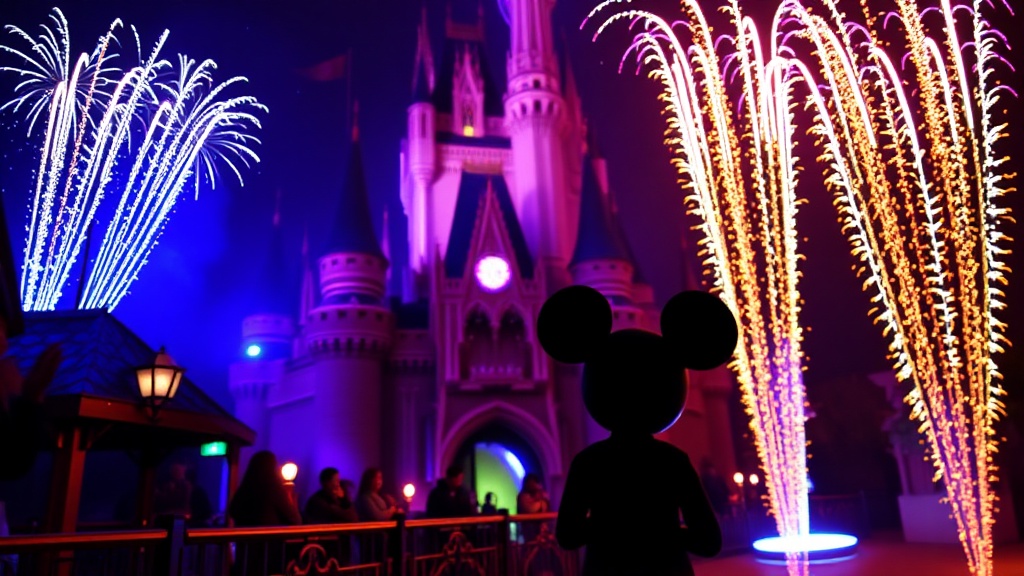
Consider Cinderella Castle at Magic Kingdom. It serves as a central waypoint that provides a sense of orientation. No matter where you are in the park, you can look up and see the castle, which provides a psychological sense of security and direction. Similarly, the Tree of Life in Disney's Animal Kingdom acts as a biological anchor, grounding the land in a sense of ancient, organic history. When you identify these visual anchors, you can better plan your movement through the park, using them as landmarks to navigate without constantly checking a digital map.
Sensory Layering and Environmental Cues
Immersion is not achieved through a single spectacular moment, but through the accumulation of small, consistent details. This is known as sensory layering. Disney designers ensure that every sense—sight, sound, smell, and even touch—is working toward the same narrative goal. This prevents the "immersion break" that occurs when a guest sees a piece of modern technology or hears a non-diegetic sound that doesn't belong in the world.
- Olfactory Branding: Disney uses "scent machines" to anchor you in a specific setting. The smell of vanilla and baked goods near Main Street, U.S.A. triggers nostalgia for a turn-of-the-century Americana era. In contrast, the earthy, damp scent near the entrance of Pandora – The World of Avatar prepares your brain for a tropical, alien ecosystem.
- Aural Environments: Notice how the music changes as you cross a threshold. In Star Wars: Galaxy's Edge, the score is not just "background music"; it is a diegetic soundscape. The low hum of starships and the mechanical whirs of the Millennium Falcon create a high-stakes, industrial atmosphere that differentiates it from the whimsical orchestral swells of Fantasyland.
- Tactile Transitions: The ground texture changes to signal a change in environment. You move from smooth concrete to cobblestones, or from paved paths to organic-looking dirt and rock. These transitions tell your brain that you have physically entered a new realm.
The Art of Forced Perspective and Scale Manipulation
A common misconception is that Disney builds everything at a 1:1 scale. In reality, many structures are designed using forced perspective to make them appear larger and more imposing than they actually are. This technique is essential for maintaining the "grandeur" of the experience without requiring impossible amounts of real estate.
Look closely at the buildings on Main Street, U.S.A. The second and third stories are often smaller and more detailed than the first floor. This trick of the eye makes the street feel longer and the buildings feel more towering, creating a sense of awe. This same principle is applied to the mountains in the parks, such as Expedition Everest or Splash Mountain (and its successor). By manipulating the scale, Disney ensures that the environments feel expansive and epic, even within the physical constraints of a highly managed theme park.
Controlled Sightlines and the "Hidden" Modern World
One of the most impressive feats of Disney engineering is the ability to hide the "real world." This is achieved through meticulous sightline management. If you were to look at a park from a drone, the illusion would break immediately. However, from the ground, the immersion is nearly perfect.
Designers use "theming" to mask utility. Trash cans are designed to look like period-appropriate bins; utility vehicles are painted and shaped to blend into the scenery; and even the way the asphalt is colored is intentional. For example, in Galaxy's Edge, the "weathered" look of the buildings is not just for aesthetics—it is a way to hide the seams where modern construction meets the themed environment. This constant attention to detail ensures that your brain remains in the story, rather than being distracted by the logistics of a modern amusement park.
The Narrative Arc of the Queue
Most people view a queue as "lost time." From a storytelling perspective, the queue is actually the first act of the attraction. A well-designed queue prepares the guest for the emotional and physical shifts that are about to occur. It is a transitional space that moves you from the "real world" into the "story world."
Take Rise of the Resistance as a primary example. The queue is not just a line; it is a high-budget, multi-room narrative experience. You are not just waiting for a ride; you are being "processed" by the First Order. The lighting, the dialogue from characters, and the industrial sounds build tension and establish the stakes. By the time you reach the actual ride vehicle, your brain has already accepted the reality of the situation. This is why the wait feels more engaging than a standard standby line.
- The Transition Phase: The queue begins by slowly stripping away the park's general atmosphere and replacing it with specific cues (e.g., the dimming of lights, a change in music).
- The Information Phase: Guests receive "lore" through visual cues or audio, which builds anticipation and context.
- The Climax: The final moments before the ride begins, where the tension is at its peak.
When you are planning your day, treat the queues as part of the entertainment. If a ride has a highly themed queue, it is worth the wait because the storytelling has already begun. If you want to bring this level of immersion into your own home, you might look into ways to build a Disney inspired home cinema, where lighting and sound can be used to transform a standard room into a cinematic experience.
Why This Matters for Your Visit
Recognizing these techniques changes how you consume the Disney experience. Instead of focusing solely on wait times and ride counts, you can start to appreciate the craftsmanship behind the scenes. This awareness allows you to:
- Manage Expectations: Knowing that certain areas are designed for specific sensory inputs helps you prepare (e.g., bringing noise-canceling headphones or being aware of scent triggers).
- Optimize Your Route: Using visual anchors like the Castle or the Tree of Life helps you navigate more efficiently without relying on a phone.
- Deepen Engagement: When you see the "seams" of the storytelling, you can appreciate the intentionality of the design, making the experience more intellectually stimulating.
Disney is not just a collection of rides; it is a masterclass in environmental psychology and narrative architecture. By understanding the "why" behind the design, you move from being a consumer of a product to a student of an art form. Next time you find yourself standing in a queue or walking down a themed street, stop and look for the "Wienie," listen for the layer of sound, and see how many ways the designers are working to keep you in the story.