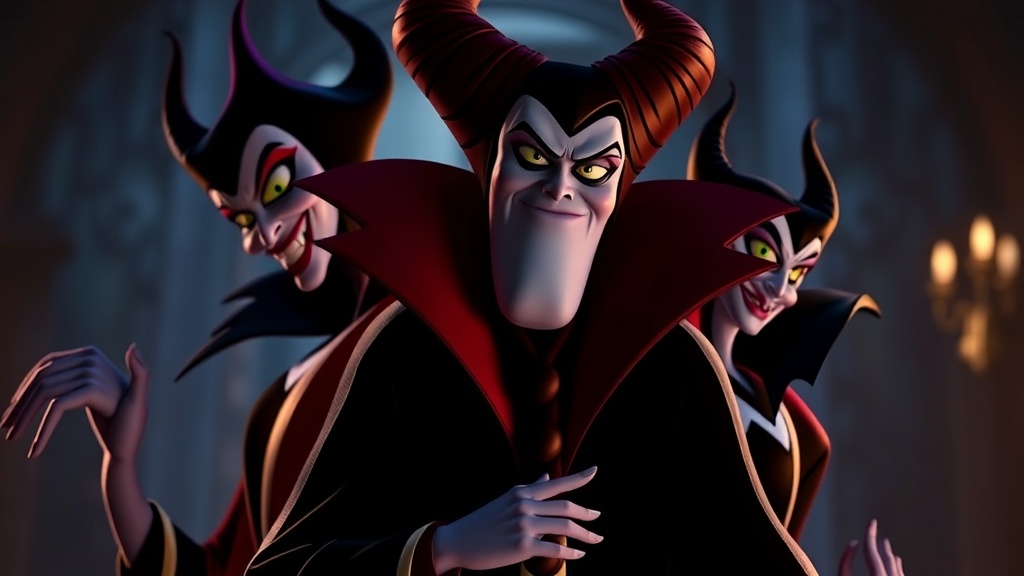
Why Disney Villains Are Often the Most Relatable Characters

A character stands in a dimly lit corner of a castle, watching a hero receive all the praise for a single act of bravery, while the character’s own years of meticulous planning and hard work go completely unacknowledged. This sense of injustice—the feeling that the rules are rigged against those who actually do the heavy lifting—is exactly why audiences often find themselves rooting for the antagonist rather than the protagonist. This post examines the psychological and narrative reasons why Disney villains resonate so deeply with modern audiences, moving beyond simple "good vs. evil" tropes to explore the complex human motivations that drive them.
The Appeal of Unfiltered Ambition
In many classic Disney films, the protagonists are driven by destiny, magic, or pure virtue. While these are noble traits, they can sometimes feel passive. Villains, conversely, are driven by agency. They want something specific, and they are willing to navigate complex social or political structures to get it. This level of directness is highly relatable to an audience that lives in a results-oriented world.
Take Ursula from The Little Mermaid. While her methods are undeniably nefarious, her character is built on a foundation of a contract. She is a master of the "fine print," a concept that resonates with anyone who has ever navigated a complex legal document or a corporate bureaucracy. She isn't just a sea witch; she is a specialist in the leverage of debt and the technicalities of broken promises. This level of calculated strategy makes her more than a monster; it makes her a formidable professional with a clear, albeit unethical, business model.
Similarly, Maleficent in Sleeping Beauty operates out of a perceived social slight. She wasn't invited to a celebration, a snub that, while extreme in its fallout, touches on the very human fear of exclusion and the desire for recognition. When a character's motivation stems from a lack of status or a perceived lack of respect, the audience recognizes the emotional logic, even if they reject the violent outcome.
The Complexity of the "Origin Story"
Modern storytelling has shifted away from the "born evil" archetype toward characters with nuanced backstories. We are no longer satisfied with a villain simply being bad for the sake of being bad; we want to understand the systemic or personal failures that led them to their current state. This shift mirrors a broader trend in media where the line between hero and villain is increasingly blurred.
The evolution of Disney's storytelling can be seen through the lens of how much weight is given to a character's history. You can see the progression of character depth by looking at the evolution of Disney animation styles and the narrative complexities that accompanied them. As animation techniques improved, so did the ability to portray subtle facial expressions and micro-emotions, allowing for more "gray" characters.
Consider Scar from The Lion King. His villainy is not an inherent trait but a reaction to his position in the hierarchy. He is the second son, overlooked and undervalued, living in the shadow of a "chosen" leader. His resentment is a byproduct of a rigid social structure that offers him no path to power. For an audience, the frustration of being overlooked in a competitive environment is a universal experience, making his descent into tyranny feel like a logical, if tragic, escalation of his circumstances.
The Mirror of Human Flaws
Protagonists are often designed to be aspirational, which can occasionally make them feel unreachable or unrelatable. Villains, however, are designed to embody our most shadow-side traits: greed, jealousy, pride, and the thirst for control. By watching a villain struggle with these impulses, the audience is essentially watching a magnified version of the human condition.
- Greed: Characters like Gaston or Jafar represent the unchecked desire for more—more status, more wealth, more power.
- Jealousy: The resentment felt by characters like Mother Gothel or the Evil Queen highlights the destructive nature of comparison and the fear of losing one's relevance.
- Control: The need to manipulate the world to fit a specific vision is a common human impulse, seen vividly in the way characters attempt to dictate the fates of others.
When we see these flaws played out on screen, it acts as a cathartic release. There is a certain freedom in watching a character act on the impulses we are taught to suppress. A villain's unapologetic pursuit of their goals provides a stark contrast to the polite, often stifled reality of everyday life.
The Sophistication of the Antagonist's Aesthetic
It is also worth noting that Disney often grants its villains a level of aesthetic sophistication that the heroes lack. Villains frequently possess the most striking color palettes, the most iconic musical themes, and the most commanding screen presence. This isn't an accident; it is a deliberate design choice to make them memorable and, in a way, more "complete" than the protagonists.
The musical numbers for villains are often the most complex and theatrical in a film. While a hero might sing a song about wishing or dreaming, a villain often performs a song about power, agency, or the reality of their situation. These songs provide a window into their psyche, making them feel more three-dimensional. For example, the theatricality of Hades in Hercules uses humor and rapid-fire dialogue to make his villainy feel charismatic and even charming, which makes his eventual antagonism more impactful.
If you find yourself drawn to the darker side of the Disney spectrum, you might find interest in exploring 7 iconic Disney villains who actually had a point. This deeper dive looks at the specific grievances that drive these characters and why their arguments often hold a grain of truth.
The Function of the Villain in the Hero's Journey
p>Ultimately, the villain serves a vital structural purpose: they are the catalyst for growth. Without the pressure applied by the antagonist, the hero remains stagnant. The villain provides the friction necessary to turn a character from a person of potential into a person of action. This relationship highlights a fundamental truth about human development—we often discover our true capabilities only when we are pushed to our absolute limits by an external force.
The villain is not just an obstacle; they are the architect of the hero's transformation. By presenting a version of the world that is unfair, dangerous, or even rigged, the villain forces the protagonist to develop the virtues (courage, empathy, resilience) that they will eventually embody. This makes the villain an essential part of the emotional satisfaction of the story. We don't just want the hero to win; we want to see the hero overcome the specific, high-stakes challenges that the villain has so carefully constructed.
Understanding the nuance of Disney villains allows us to appreciate the complexity of the stories being told. They are not just "bad guys" to be defeated; they are mirrors of our own ambitions, our fears, and the darker parts of our personalities. They make the triumph of the hero feel earned, rather than inevitable, and in doing so, they make the entire narrative experience much more profound.