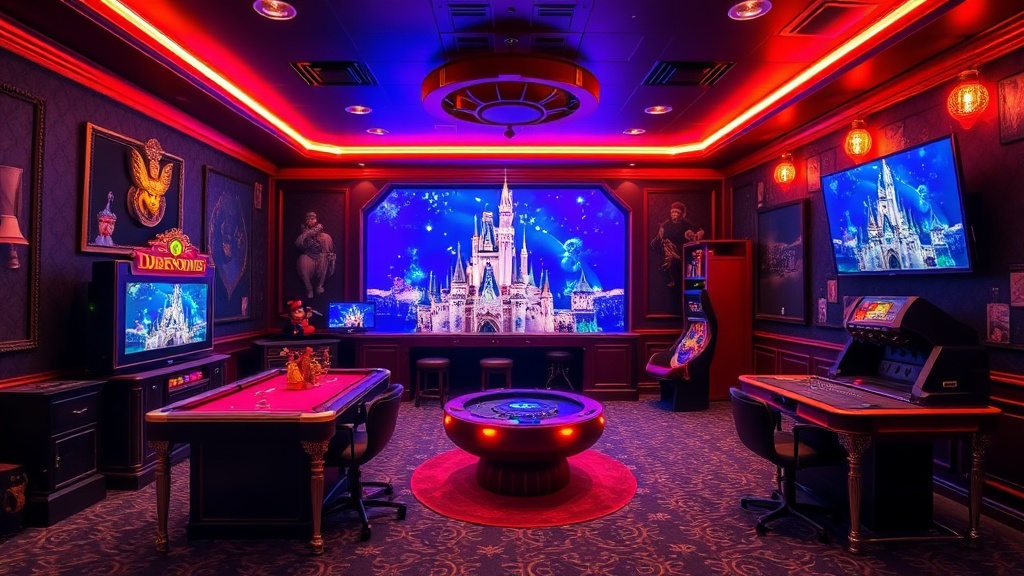
How to Build a Disney Themed Game Room

Imagine walking into a spare room that doesn't just feature a few Mickey Mouse pillows, but actually transports you into the worlds of your favorite films. Instead of a generic gaming setup, you have a dedicated space where the neon glow of Tron complements a high-end PC, or a cozy corner inspired by Winnie the Pooh's Hundred Acre Wood houses a vintage arcade cabinet. This guide provides a strategic framework for designing a Disney-themed game room that balances high-end technology with cohesive storytelling, ensuring your space feels like a curated experience rather than a cluttered souvenir shop.
Define Your Core Narrative Theme
The biggest mistake in themed room design is "theme creep," where you try to include every single Disney franchise at once. This results in a visual mess that lacks impact. To build a professional-grade game room, you must select a primary or secondary "anchor" theme. This is the narrative thread that dictates your color palette, lighting, and furniture style.
Consider these three distinct directions for a high-end gaming environment:
- The High-Tech Sci-Fi Aesthetic: Focus on Tron: Legacy or Star Wars. This approach utilizes dark surfaces, LED strip lighting (specifically RGBIC for controlled color transitions), and sleek, minimalist furniture. Your desk setup would feature black matte finishes and neon blue or red accents.
- The Classic Whimsical Aesthetic: Focus on the 90s Disney Renaissance or classic fairy tales. This involves warmer lighting, textured fabrics like velvet, and organic shapes. Think of the soft, golden hues found in Beauty and the Beast or the lush greenery of The Lion King.
- The Retro Arcade Aesthetic: Focus on the 1980s and 90s era of Disney animation. This utilizes bright, saturated colors, checkerboard patterns, and vintage-inspired neon signs. This is ideal if you plan on incorporating physical arcade machines or pinball.
Once you have chosen a theme, use that to dictate your hardware choices. If you are going for a Star Wars aesthetic, a standard white gaming chair might look out of place; instead, look for industrial, modular seating that mimics the aesthetic of a cockpit or a starship interior.
Optimize Your Lighting Architecture
In a game room, lighting serves two purposes: functional illumination for your screens and atmospheric immersion for the theme. Professional designers use "layered lighting" to achieve this. You should never rely on a single overhead light fixture, which flattens the room and creates glare on your monitors.
Layer 1: Task Lighting
This is the light you need to actually see your controls and keyboard. For a Disney-themed room, avoid harsh fluorescent lights. Instead, use a monitor light bar (like those from BenQ or Xiaomi) to illuminate your desk surface without creating glare. If your theme is Pirates of the Caribbean, you might opt for a desk lamp with a brass finish and a warm Edison bulb to mimic candlelight.
Layer 2: Ambient and Accent Lighting
This is where the "Disney Magic" happens. Use smart LED strips (such as Govee or Philips Hue) behind your desk, your monitor, and under the edges of your gaming chair. If you are building a Tron-inspired setup, program the lights to a steady cyan pulse. For a more subtle look, you can use smart bulbs in your floor lamps to shift the room's color temperature based on the game you are playing. If you are playing a cozy game like Animal Crossing or something inspired by the warmth of Toy Story, shift the lights to a warm amber.
Layer 3: Decorative Light Features
Incorporate iconic shapes into your lighting. A neon sign of the Death Star or a subtle, glowing Mickey silhouette serves as a focal point. This is not just decoration; it is a way to anchor the room's identity. For those looking to expand their immersive home environments, these techniques are similar to the methods used in building a Disney-inspired home cinema, where lighting is used to bridge the gap between the screen and the physical room.
Curate Your Hardware and Furniture
When purchasing hardware, look for "stealth" pieces that can be customized. A high-end gaming PC with a tempered glass side panel offers a perfect canvas for customization. You can use custom-colored coolant in the liquid cooling loop to match your theme—blue for Frozen, green for Hercules, or red for Iron Man.
The Command Center (Desk and Chair)
Your desk should be the centerpiece. If you are going for a minimalist, futuristic look, a carbon fiber texture or a dark wood finish works best. For a more whimsical, Disney-inspired space, consider a desk with rounded edges rather than sharp, aggressive angles. For your seating, prioritize ergonomics but look for subtle branding. A high-quality leather chair in a deep navy or forest green can feel much more "Disney Villains" than a bright, branded gaming chair with loud logos.
The Physical Collection
A game room is an excellent place to display your physical media and collectibles. However, to avoid the "toy store" look, use professional display solutions. Instead of scattering figures on every surface, use tiered acrylic risers inside a glass display case (like the IKEA Kallax or specialized collector cases). This protects your items from dust and makes them look like part of a curated museum exhibit rather than clutter.
Audio and Soundscapes
A truly immersive game room addresses the ears as much as the eyes. While your gaming headset is your primary tool, the room's ambient audio contributes to the "vibe" when you aren't actively playing. This is a concept used in Disney Parks' masterclass in immersive storytelling, where every environment has a unique soundscape.
Consider installing a high-quality soundbar or a 2.1 surround sound system. When you are transitioning between games or simply relaxing, you can play low-volume, instrumental versions of Disney soundtracks. For a Star Wars room, low-frequency ambient engine sounds can create a sense of scale. For a Disney Renaissance room, soft orchestral arrangements provide a sophisticated backdrop that doesn't feel overwhelming.
The Final Polish: Texture and Materiality
To move from a "themed room" to a "professional game room," you must consider the textures in the space. A room filled only with plastic and metal feels cold. To add depth, incorporate textiles that reflect your theme.
- Rug Selection: A high-pile rug can dampen sound (which is great for gaming) and add warmth. A dark, charcoal rug works for sci-fi themes, while a jute or textured weave fits a more adventure-based theme like Moana or Encanto.
- Wall Treatments: Avoid cheap posters taped to the wall. Instead, use framed concept art or high-quality canvas prints. If your budget allows, a textured wallpaper—such as a subtle geometric pattern for a Tron look—adds a level of sophistication that standard paint cannot achieve.
- Cable Management: This is the most overlooked step. Nothing ruins a high-end gaming setup faster than a "rat's nest" of wires. Use cable sleeves, under-desk trays, and velcro ties to hide every single cord. A clean, wire-free environment allows your themed lighting to truly shine without distraction.
By treating your Disney game room as a design project rather than a collection of items, you create a space that is both a functional gaming hub and a sophisticated tribute to the stories you love. Focus on a singular narrative, layer your lighting, and prioritize quality over quantity to build a room that feels truly magical.